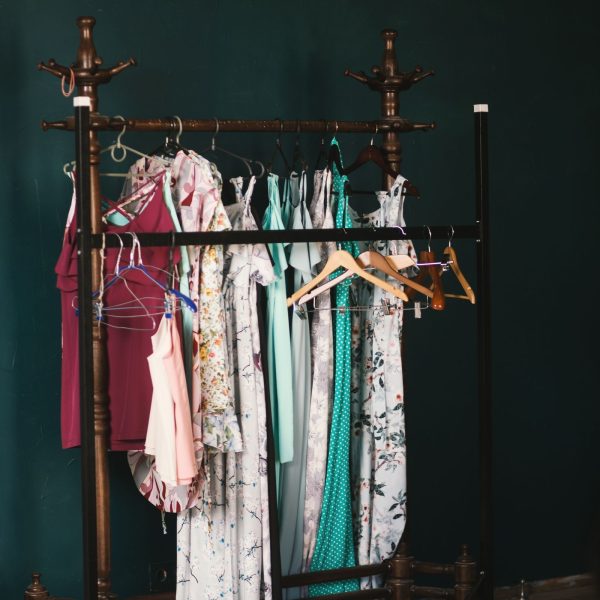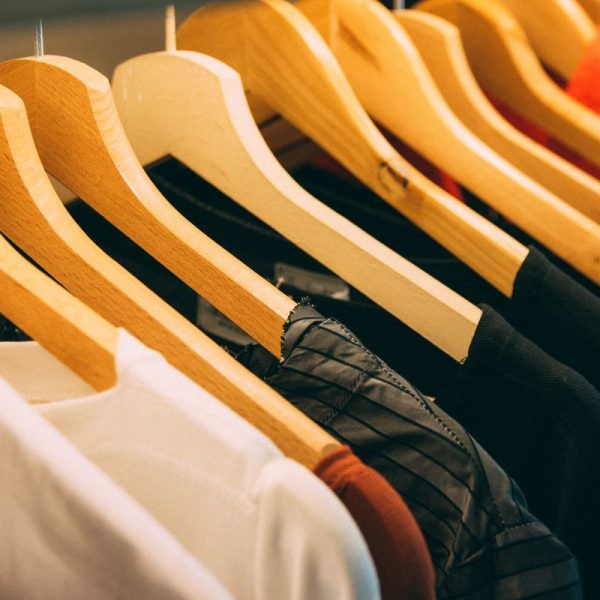
A shopper in Berlin finds a linen shirt on a small British fashion site. The photos are lovely and the price is fair. Then she reads the size chart. It lists a fit called regular and a length given in inches and a care note that says wash cool. She cannot tell whether a medium will fit her. She closes the tab and buys from a shop that speaks her language. The brand never learns why the visitor left. It only sees a lost sale and a page that seemed to work well enough.
This quiet loss happens thousands of times a day in online fashion. Clothing is a product that people want to understand before they pay. They want to know the fabric and the cut and the colour and the way it feels. They also want to know what happens if it does not fit. Every one of these questions is answered in words. When the words are missing or unclear the shopper leaves and does not come back.
Translation is therefore part of the sales process and not an afterthought. A product page is a salesperson that works all night. If it speaks only one language it ignores most of the world. A brand that sells abroad needs pages that sound natural to local buyers and that answer their questions without friction.
Many small shops start with a browser tool because it is quick and free. The result is often readable but it can still cause damage. A word for a neckline may turn into something odd. A fabric name may be left in the wrong language. A size may be converted badly. Shoppers notice these details and they judge the whole brand by them.
This guide explains how fashion sellers can translate product pages in a way that builds trust. It covers size charts and fabric names and care labels and the tone of the copy. It also shows how to plan the work so that a growing catalogue stays consistent across every market you sell in.
Why Fashion Needs Specialist Care
Fashion language is full of terms that do not travel well. Teams that offer retail translation services know that a single word such as jumper or sweater or pullover can mean different things in different countries. Fabric names follow local habits too. A translator who works in this field keeps a glossary and applies it to every page so that the same item is never described in two different ways.
Style also matters. A playful tone that works in English may feel strange in another culture. Some markets like short and direct copy while others expect more detail about materials and origin. A good translator adapts the message and does not simply swap words. The goal is a page that reads as if it had been written for that shopper from the start.
Sizes and Fabrics and Care Labels
Product description translation begins with the facts that shoppers check first. Sizes come first because a wrong size means a return. European buyers use numbers while British and American buyers use letters or other scales. A clear chart that shows the local system beside the original one prevents confusion. Measurements should be shown in centimetres for most of Europe and in inches where buyers expect them.
Fabric names and care labels come next. Many countries have rules about how fibre content must be shown on a label. A shop that sells abroad should check the rules of each market and make sure the translated text matches them. Care symbols are fairly universal but the words that explain them are not. Wash cool and gentle cycle and line dry all need a plain and exact version in the target language. Photos and videos need attention as well. Text inside an image cannot be changed by a plugin. If a size guide or a banner is a picture then it must be replaced with a version for each language. This small job is often forgotten and it leaves a page half translated. A short checklist for every product template can catch it before launch.
Trusted Guidance and Local Rules
Good practice is easier when you follow clear examples. Our guide to ecommerce website translation shows how a whole shop can be localised step by step. For the rules on how clothes must be labelled in the United States the Federal Trade Commission publishes plain advice for sellers.
For news and analysis on what fashion buyers want the site Business of Fashion follows trends across many countries. Reading such sources helps you choose which markets to enter first. It also helps you understand which words your customers already use when they search. Share those findings with your translator so that the final copy matches real search habits.
Plan for Growth and Quality
A catalogue changes every season. New items arrive and old ones leave and descriptions are updated. Build a process that handles this without chaos. Keep one master file of product text and send only the changes to your translator. A translation memory stores approved phrases and reuses them so that cost falls over time and style stays steady.
Test every language before it goes live. Ask a native speaker to browse the shop as a customer would. They should try the size chart and the checkout and the returns page. Small errors in a button or a delivery note can hurt trust as much as a mistake in a product title. Fix them early and you will save far more than the cost of the check.
Fashion shoppers buy with their eyes but they decide with their trust. Clear words in their own language tell them that a brand takes them seriously. Start with your best sellers and measure the result. Then extend the work to the rest of the catalogue and let each new market grow at its own pace.